Chonburi
Explore Chonburi: Bus and Transfer Options
Photos are for illustration and may not show current conditions. Report this photo
Chonburi Information
Chonburi: A Coastal Destination
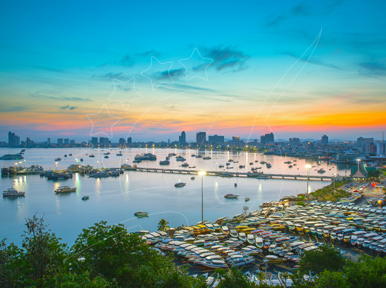
Chonburi, located on the eastern Gulf of Thailand, is a popular coastal destination known for its proximity to Bangkok and Pattaya. The province is famed for its beaches, seafood, and cultural attractions, drawing both locals and international visitors.
Road Travel and Main Destinations
While ferry and speedboat options are unavailable for Chonburi, traveling by road is the most common option. Regular buses from Bangkok’s Eastern Bus Terminal (Ekkamai) offer a comfortable and affordable way to reach Chonburi, while many tourists prefer the convenience of private car services or taxis for direct transportation. Chonburi’s main bus terminals, Chonburi Bus Terminal and Bang Saen Bus Terminal, are both easily accessible for travelers.
Travelers mainly arrive in Chonburi from Bangkok, Pattaya, or nearby provinces such as Rayong. Chonburi serves as a gateway to destinations like Bang Saen, Pattaya, and Koh Si Chang.

Chonburi: A Coastal Paradise
Getting to Chonburi: Transport Options
Chonburi is well-connected to major cities across Thailand, making it easy to reach by road. The coastal province sits approximately 100 kilometers southeast of Bangkok, putting it within comfortable reach for day trips and longer stays. Multiple transport options are available to suit different budgets and travel preferences.
Visitors typically reach Chonburi via bus, minivan, or private transfer services from Bangkok and surrounding regions. These services depart regularly throughout the day, giving you flexibility to plan your journey around your schedule. Many travelers also arrive by car or arrange private transfers for greater convenience and door-to-door service.
Fares start from our online fares, and services on this route are operated by our transport partners. Journey times and departure frequency are shown live on the search results page, so you can compare the options side by side before you commit.
Departure and Arrival Points
Most journeys to Chonburi begin at a city bus terminal, a central pick-up point or your own accommodation, depending on the service you choose. Scheduled services generally use fixed stations and stops, while private transfers collect you at the address you enter at checkout and drop you at your chosen destination in the province.
Arrival points within Chonburi vary by route, since the province covers several distinct coastal towns and districts. Check the exact terminal, pier or stop listed on your ticket before travel, and allow extra time if you need to continue onward by local transport once you arrive.
Onward and Nearby Connections
Chonburi works well as a staging point for the wider eastern seaboard. From here you can continue toward other coastal towns and island gateways, and many travelers combine a stop here with a longer trip along the coast rather than treating it as a single-stop destination.
If you are still deciding where to go next, browse our Thailand destinations pages or compare routes from Bangkok to see how Chonburi fits into a wider itinerary.
Popular Routes to and from Chonburi
There are several routes main transport routes connecting Chonburi to nearby provinces and Bangkok. Whether you're traveling for a weekend getaway or an extended coastal holiday, regular departures ensure you'll find a service that works for your itinerary. Journey times vary depending on your starting point and the type of transport you choose.
If you're exploring the wider coastal region, Chonburi also serves as a convenient hub for onward travel to other beach destinations and popular attractions throughout eastern Thailand.
Use the search box to enter your departure point and travel date. Available routes, operators, departure times and prices for Chonburi are listed together, so you can filter by what matters most to you — the earliest departure, the shortest journey or the lowest fare.
Why Visit Chonburi: Destination Overview
Chonburi is well-known for its bustling coastal areas and vibrant local culture. Its blend of traditional Thai life and tourist-friendly spots makes it an appealing destination for all types of travelers. The province balances authentic experiences with comfortable facilities, creating a welcoming environment for both first-time visitors and returning guests.
Because it sits so close to Bangkok, Chonburi suits a wide range of trips: an overnight break, a full beach holiday, or a short stop on the way further along the coast.
Beaches and Water Activities
Visitors to Chonburi can enjoy sunbathing and water activities at popular beaches like Bang Saen and Pattaya Beach. These sandy shores offer ideal conditions for swimming, snorkeling, and other water sports. Beach vendors provide refreshments and equipment rental, while beachfront restaurants serve everything from casual snacks to full meals with sea views.
Explore Natural Landmarks
Beyond the beaches, Chonburi offers scenic natural attractions. The Khao Sam Muk hill is known for its monkeys and panoramic sea views, providing a rewarding short hike for those seeking a different perspective of the coastline. The hillside temple and viewpoint draw visitors looking for both spiritual experiences and memorable photographs.
Local Markets and Shopping
Nong Mon Market is the place to discover local delicacies and shop for Thai souvenirs. This lively market captures the authentic energy of local life, where you'll find fresh produce, prepared foods, handicrafts, and traditional goods. Haggling is common practice here, and prices are typically lower than tourist-oriented shops.
Practical Information for Your Visit
The best time to visit Chonburi is during the dry season, roughly November to February, when weather conditions are most comfortable for beach activities. However, the province remains accessible year-round, and shoulder seasons often bring fewer crowds and better accommodation rates.
Most facilities in Chonburi accept Thai baht, though major credit cards are widely accepted at larger establishments and hotels. English is spoken in tourist areas, though learning a few basic Thai phrases is always appreciated. The local population is known for friendliness and hospitality toward visitors.
Before You Travel
- Arrive at your departure point early — check-in and boarding usually close before the scheduled departure time.
- Carry the ID used at booking, and keep your ticket or confirmation accessible on your phone.
- Check the luggage allowance shown with your selected service; it varies between operators and vehicle types.
- Pack sun protection, water and light clothing for the coast, plus something warmer for air-conditioned journeys.
- Review the cancellation and change conditions displayed with your fare before you pay.
Weekends, Thai public holidays and school breaks are the busiest periods on routes to the coast. If you are traveling then, book early — availability tightens and the cheapest fares tend to sell first.
Book Your Transport to Chonburi
Ready to discover Chonburi? Check current availability and fares for services departing to the province. With several routes available routes and regular departures, you can find a departure time that suits your travel plans. Booking in advance is recommended during peak season to secure your preferred time and transport type.
Tickets start from our online fares and can be booked online in a few steps, with confirmation sent by email. Enter your departure point and date to see every service available on your chosen day.
Search availability and book your journey to Chonburi
A Note on Data
Prices, operators, journey times and departure frequencies shown on this page are drawn from live availability and can change. No ferry, bus or minivan schedules for Chonburi have been hard-coded here — please confirm the details on the search results page before booking.


Frequently asked questions
Where is the pier that my ferry departing from?
Phuket Ferry :
We understand that pier details are important to our customers. That’s why we’ve made the information as clear as possible. Your departing pier address is clearly shown on your e-ticket, which we sent to your email. Additionally, go to our Pier Information page for the most comprehensive local pier information you can find anywhere. Finally, if you still need more information, contact our Customer Service Agents; we are happy to help.
Ferry Samui :
FWe understand that pier details are important to our customers. That’s why we’ve made the information as clear as possible. Your departing pier address is clearly shown on your e-ticket, which we sent to your email. Additionally, go to our Pier Information page for the most comprehensive local pier information you can find anywhere. Finally, if you still need more information, contact our Customer Service Agents, we are happy to help.
Bali Ferry :
We understand that pier details are important to our customers. That’s why we’ve made the information as clear as possible. Your departing pier address is clearly shown on your e-ticket, which we sent to your email. Additionally, go to our Departure Point Information page for the most comprehensive information you can find anywhere. Finally, if you still need more information, contact our Customer Service Agents, we are happy to help.
What are the tourist seasons ?
Phuket Ferry :
Phuket really just has two seasons, which are known as "high season" and "low season" (or "green season"). During the low season months (May- September), boat numbers are reduced. During the high season (October - April), boats to the surrounding islands are increased so you will have some more options.
Ferry Samui :
There are three distinct weather seasons on the tropical island of Koh Samui: the dry season (December until February), the hot season (March until August) and the rainy season (September until November).
Bali Ferry :
Bali actually has a variety of tourist periods, notably around the Balinese New Year, 15 December - 15 January, and 1 June - 30 September. During these high traffic periods, boats to the surrounding islands are increased so you will have some more options. The quieter periods are between 16 January - 30 April and 1 October - 14 December historically.
Will bad weather affect my travels?
Ferries are large and can usually operate in the rain, except in extremely bad weather. During storms or strong winds, the journey may take a little longer than usual.
Speedboats are more likely to be canceled than ferries. If a trip is canceled due to bad weather, you can choose to receive a refund or reschedule. Please note that refunds for bad weather are only issued if the ferry operator cancels the trip.
On rough days, we recommend bringing motion sickness medication and taking it about 20 minutes before boarding if you are prone to seasickness. Boat staff may also provide Dramamine upon request, but you will need to remain indoors during rough conditions. On sunny and calm days, the sun deck is open for passengers to enjoy the weather.
What's the boarding process on the day of my trip?
At the pier named on your ticket, look for the staff of the ferry operator listed on your ticket as well. Please present your e-ticket (QR code) from your phone or other device—they’ll provide you with a sticker and/or boarding pass and direct you to your boat. Most piers have staff available to help load your luggage. In Koh Samui, staff are usually stationed at booths near the boarding area; at other locations, they’re typically near the boats, wearing their company uniforms.
When will I receive my ticket confirmation?
After completing your online booking, your reservation will remain in “Pending” status until it is processed. Once confirmed, we will send your e-ticket via email. The process is usually very quick.
On the day of travel, please present your e-ticket to the ferry staff at the relevant booking counter. If you do not receive your confirmation within 24 hours, contact us immediately.
What are the baggage allowances?
Your ferry e-ticket includes ferry transport, baggage fees, and handling. The free baggage allowance per person is 20–25 kg, depending on the operator. If your baggage exceeds this limit, you can pay the extra fee directly to the ferry operator in cash.
To check the baggage allowance for your specific trip, please refer to the trip details for your selected route.