Phang Nga
Traveling to or from Phang Nga: A Guide to Nearby Transport
Photos are for illustration and may not show current conditions. Report this photo
Phang Nga Information
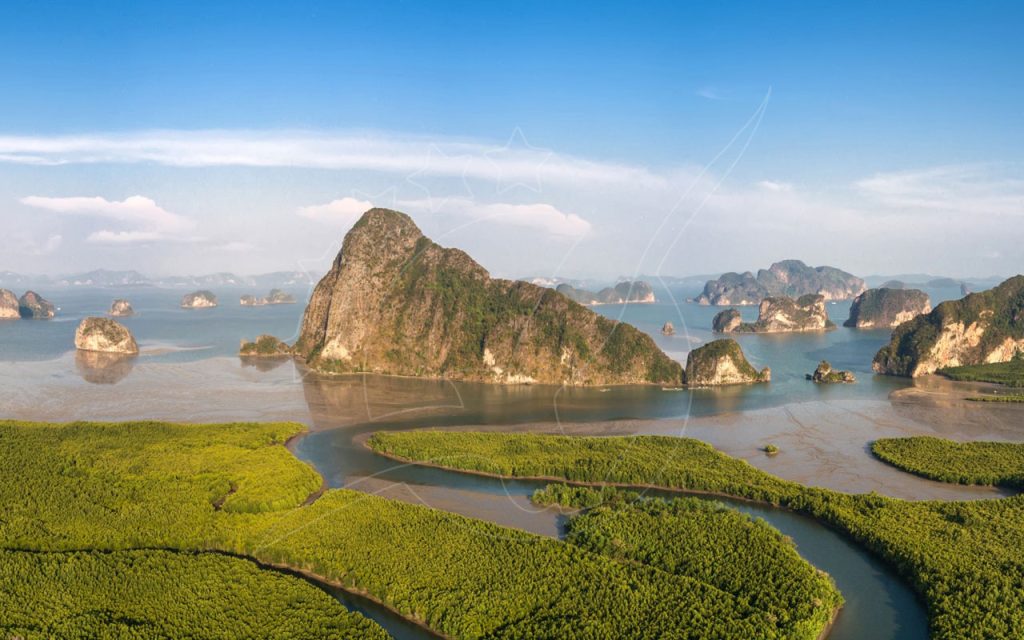
Located on the coastal province of the Andaman Sea, Phang Nga is a precious location in Thailand, filled with scenic forests and beautiful national parks. However, getting there could be a little challenging for some people due to various options for travel. If you are considering flying to Phang Nga then you should know that it doesn’t have an airport, the closest airport to the region is in either Phuket or Krabi which both have international airports offering daily flights from all over the world. After landing in Krabi you can take a bus from the Krabi bus station straight to Phang Nga. You can also take a minivan from Bangkok to Phang Nga to shorten the distance. If you are a train lover then it will be really sad to tell you that Phang Nga has no railway service, however, you can take a train to Surat Thani and then take a 2-hour bus ride directly to Phang Nga.
Attraction Points
Popular Routes
Popular crossings to Phang Nga — pick a route to book.
Hop onward from here
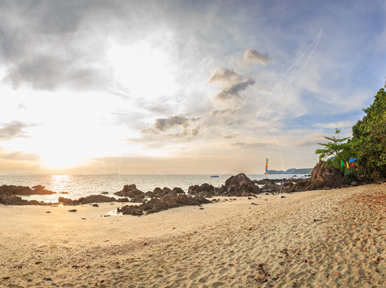

About Phang Nga
Discover Phang Nga
Phang Nga is one of Thailand's most iconic coastal destinations, famous for its dramatic natural scenery and world-class attractions. The region draws visitors from around the globe who want to experience its unique landscape and memorable sights.
The Distinctive Landscape of Phang Nga
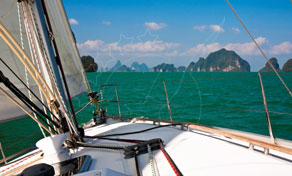
Phang Nga Bay is a very special place that is distinguished by having vertically standing sheer limestone karsts coming out of the beautiful green-emerald water. These towering rock formations create one of Southeast Asia's most recognizable seascapes and have made the area a protected marine environment worth exploring.
Famous Attractions in Phang Nga
Another thing that makes this island even more special is the presence of James Bond Island which is named after being a part of the James Bond film "The Man With the Golden Gun". The island is always a part of any tour of Phang Nga Bay as well as the remarkable Koh Panyey. Both locations offer stunning photo opportunities and insights into the region's cultural and cinematic heritage.
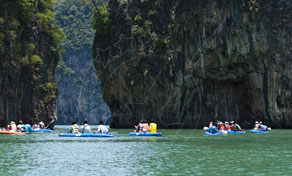
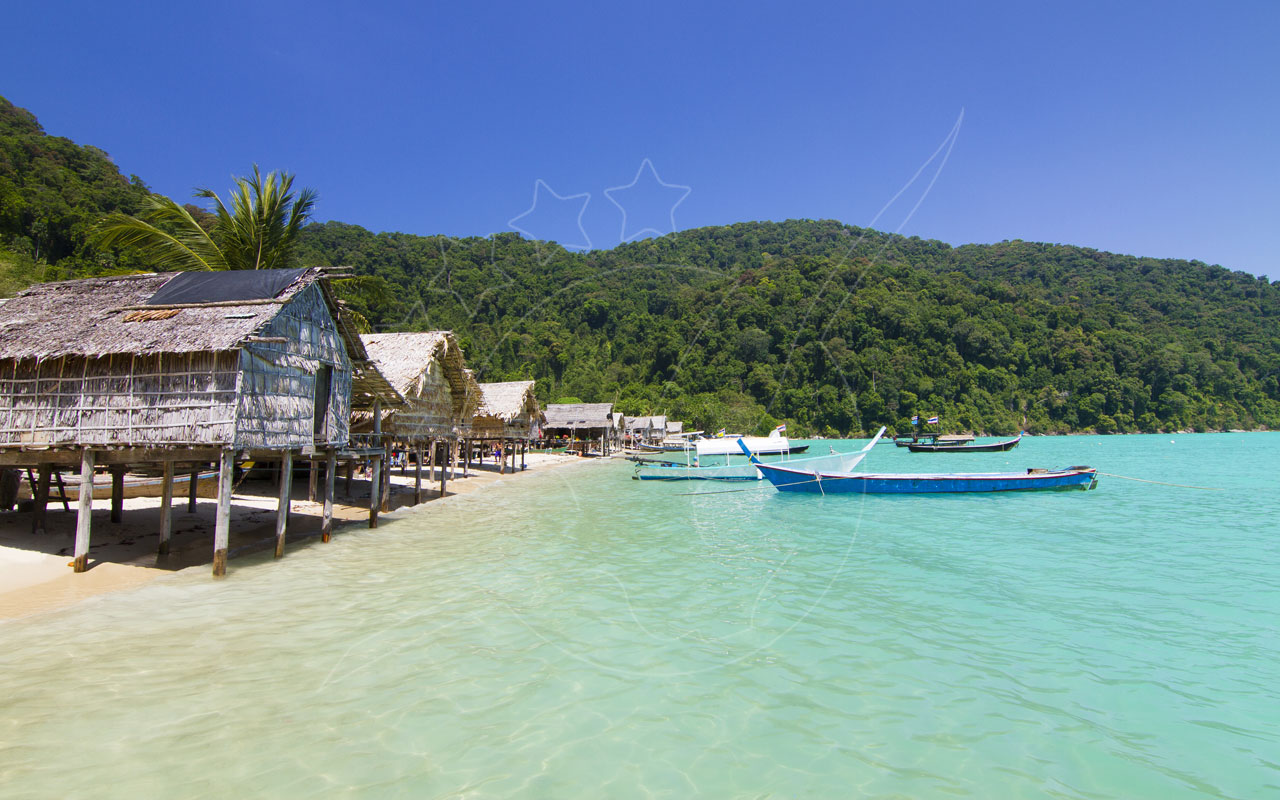
Beyond these famous sites, Phang Nga offers plenty to explore. Visitors can kayak through limestone caves, visit local fishing villages built on stilts, snorkel in clear waters, and relax on quieter beaches away from main tourist routes. The region's mix of natural beauty and cultural experiences makes it appealing to different types of travelers.
Getting to Phang Nga
Phang Nga is accessible by several transport methods. Many visitors arrive via ferry, bus, minivan, or private transfer, depending on where they're traveling from and their preferred travel style. The choice of transport depends on your starting point and how much flexibility you need during your journey.
If you're coming from nearby islands or coastal cities, ferry services provide scenic routes across the Andaman Sea. These journeys offer views of the surrounding waters and islands, making them part of the experience rather than just a means of transport. Check ferry schedules in advance, as some services may vary seasonally.
For travelers arriving from further afield, bus and minivan options connect Phang Nga to major cities and towns throughout southern Thailand. These overland routes are often more affordable and give you the chance to see the Thai countryside. Private transfers offer the most flexibility and comfort if you're traveling with a group or have specific timing requirements.
Popular Routes to and from Phang Nga
Several transport routes serve Phang Nga, connecting it to neighboring destinations and major transit hubs. Whether you're island-hopping through the Andaman, heading to Phuket, or exploring other parts of southern Thailand, there are typically several routes main routes available from this location. Your choice depends on your itinerary and how long you plan to stay in the area.
The most common routes connect Phang Nga to nearby islands and towns, making it easy to combine your visit with other coastal attractions in the region.
Practical Travel Information
Before booking your trip to Phang Nga, consider the season. The best time to visit is during the dry season, roughly November to April, when the weather is sunny and calm waters make water activities more enjoyable. The monsoon season runs from May to October, when rain is more frequent and sea conditions can be rougher, though prices may be lower and crowds thinner.
Pack light, breathable clothing, sunscreen, and a light rain jacket. If you're planning water activities like kayaking or snorkeling, bring appropriate swimwear and consider reef-safe sunscreen to protect the marine environment.
Most accommodations in Phang Nga range from budget-friendly options to upscale resorts. Book accommodation in advance during peak season to secure your preferred location and rate. The region has good dining options, from street food stalls to restaurants serving both Thai and international cuisine.
Booking Your Journey
Tickets for transport to and from Phang Nga can be booked through various operators. Prices and availability vary depending on the season, how far in advance you book, and which transport method you choose. Early booking often offers better rates and guarantees your preferred departure time.
Most operators allow online booking, with confirmation sent via email. Be sure to read the cancellation policy and any terms related to baggage or seat selection before completing your purchase.
Ready to explore Phang Nga? Search availability for your preferred dates and transport type to find the best option for your trip.
Phang Nga
Cruising
Limestone Cliffs

James Bond Island

Koh Panyee




Frequently asked questions
Where is the pier that my ferry departing from?
Phuket Ferry :
We understand that pier details are important to our customers. That’s why we’ve made the information as clear as possible. Your departing pier address is clearly shown on your e-ticket, which we sent to your email. Additionally, go to our Pier Information page for the most comprehensive local pier information you can find anywhere. Finally, if you still need more information, contact our Customer Service Agents; we are happy to help.
Ferry Samui :
FWe understand that pier details are important to our customers. That’s why we’ve made the information as clear as possible. Your departing pier address is clearly shown on your e-ticket, which we sent to your email. Additionally, go to our Pier Information page for the most comprehensive local pier information you can find anywhere. Finally, if you still need more information, contact our Customer Service Agents, we are happy to help.
Bali Ferry :
We understand that pier details are important to our customers. That’s why we’ve made the information as clear as possible. Your departing pier address is clearly shown on your e-ticket, which we sent to your email. Additionally, go to our Departure Point Information page for the most comprehensive information you can find anywhere. Finally, if you still need more information, contact our Customer Service Agents, we are happy to help.
What are the tourist seasons ?
Phuket Ferry :
Phuket really just has two seasons, which are known as "high season" and "low season" (or "green season"). During the low season months (May- September), boat numbers are reduced. During the high season (October - April), boats to the surrounding islands are increased so you will have some more options.
Ferry Samui :
There are three distinct weather seasons on the tropical island of Koh Samui: the dry season (December until February), the hot season (March until August) and the rainy season (September until November).
Bali Ferry :
Bali actually has a variety of tourist periods, notably around the Balinese New Year, 15 December - 15 January, and 1 June - 30 September. During these high traffic periods, boats to the surrounding islands are increased so you will have some more options. The quieter periods are between 16 January - 30 April and 1 October - 14 December historically.
Will bad weather affect my travels?
Ferries are large and can usually operate in the rain, except in extremely bad weather. During storms or strong winds, the journey may take a little longer than usual.
Speedboats are more likely to be canceled than ferries. If a trip is canceled due to bad weather, you can choose to receive a refund or reschedule. Please note that refunds for bad weather are only issued if the ferry operator cancels the trip.
On rough days, we recommend bringing motion sickness medication and taking it about 20 minutes before boarding if you are prone to seasickness. Boat staff may also provide Dramamine upon request, but you will need to remain indoors during rough conditions. On sunny and calm days, the sun deck is open for passengers to enjoy the weather.
What's the boarding process on the day of my trip?
At the pier named on your ticket, look for the staff of the ferry operator listed on your ticket as well. Please present your e-ticket (QR code) from your phone or other device—they’ll provide you with a sticker and/or boarding pass and direct you to your boat. Most piers have staff available to help load your luggage. In Koh Samui, staff are usually stationed at booths near the boarding area; at other locations, they’re typically near the boats, wearing their company uniforms.
When will I receive my ticket confirmation?
After completing your online booking, your reservation will remain in “Pending” status until it is processed. Once confirmed, we will send your e-ticket via email. The process is usually very quick.
On the day of travel, please present your e-ticket to the ferry staff at the relevant booking counter. If you do not receive your confirmation within 24 hours, contact us immediately.
What are the baggage allowances?
Your ferry e-ticket includes ferry transport, baggage fees, and handling. The free baggage allowance per person is 20–25 kg, depending on the operator. If your baggage exceeds this limit, you can pay the extra fee directly to the ferry operator in cash.
To check the baggage allowance for your specific trip, please refer to the trip details for your selected route.