Koh Libong
Koh Libong Speedboat & Ferry Travel
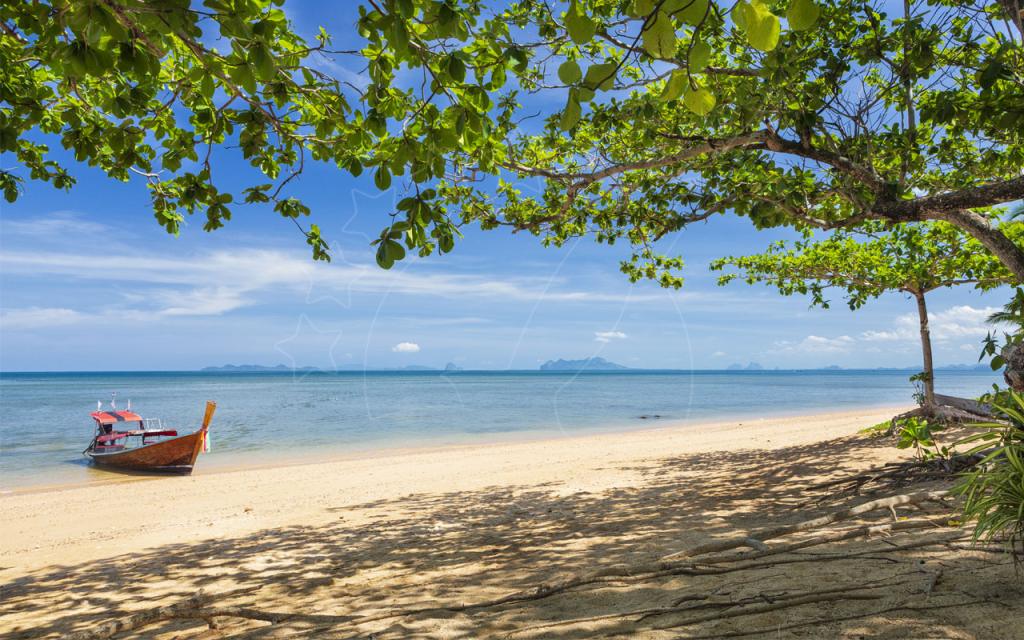
Photos are for illustration and may not show current conditions. Report this photo
Koh Libong Information
Koh Libong is located within the Had Chao Mai National Park, and archipelago of wonderful islands that are perfect for speedboat & ferry inter-island travel. Just looking out at the islands and seascapes make you feel like you're in a movie! The whole island-to-island ferry experience is amazing, and with our simple phuketferry.com ferry booking system, it's easy to get there! The ferries are big (hosting 130 passengers or more), so just relax, take in the scenes wit hyour senses, and enjoy! Koh Libong is known for it's wonderful rugged scenery and awesome wildlife and what better way to be introduced to the island than by speedboat & ferry.
Each speedboat & ferry selected by us at phuketferry.com is strong and fast, and contains all up-to-date navigation and passenger safety equipment. On the day of your speedboat & ferry journey either to or from Langkawi, make sure that you are at your pier at least 45 minutes before departure. This is an important request from the speedboat & ferry operators. Make sure that you have printed your phuketferry.com e-ticket, so that you can show to the speedboat & ferry staff, and the rest will be plain sailing!
Speedboat & Ferry travel from Koh Libong to the islands is as follows: Koh Libong to Koh Mook (30 minutes), to Koh Kradan (30 minutes), Koh Ngai (60 minutes), Koh Lanta (2 hours), Koh Lipe (2 hours), and Langkawi (4 hours).
There's nothing more amazing than to sit upon a ferry and witness the beautiful archepelago that contains the islands. You have options of sitting on comfortable chairs inside with air conditioning, or up on the ferry deck where the sun is (make sure you wear your sunscreen). Be sure to take note of our Travel Tips so that you are well prepared for the journey. And have a great time!
Popular Routes
Popular crossings to Koh Libong — pick a route to book.
Hop onward from here

Piers

Maphrao Pier
Koh Libong Information
About Koh Libong
Rustic and charming, still so unspoilt and captivating, Koh Libong should be in your travel plans for the adventure factor alone! It's becoming more popular now, but Koh Libong is one island where local and tourist will be found in more equal proportion. Don't expect perfect English in the service or top hotels with all their amenities, but do expect local cultural charm and hospitality.
Koh Libong is naturally wild and wonderful, with mountainous jungle, superb flora and fauna, dark sands, and a thriving local culture. The island remains relatively undeveloped compared to busier Thai destinations, making it ideal for travellers seeking an authentic experience away from tourist crowds.
Wildlife and Nature
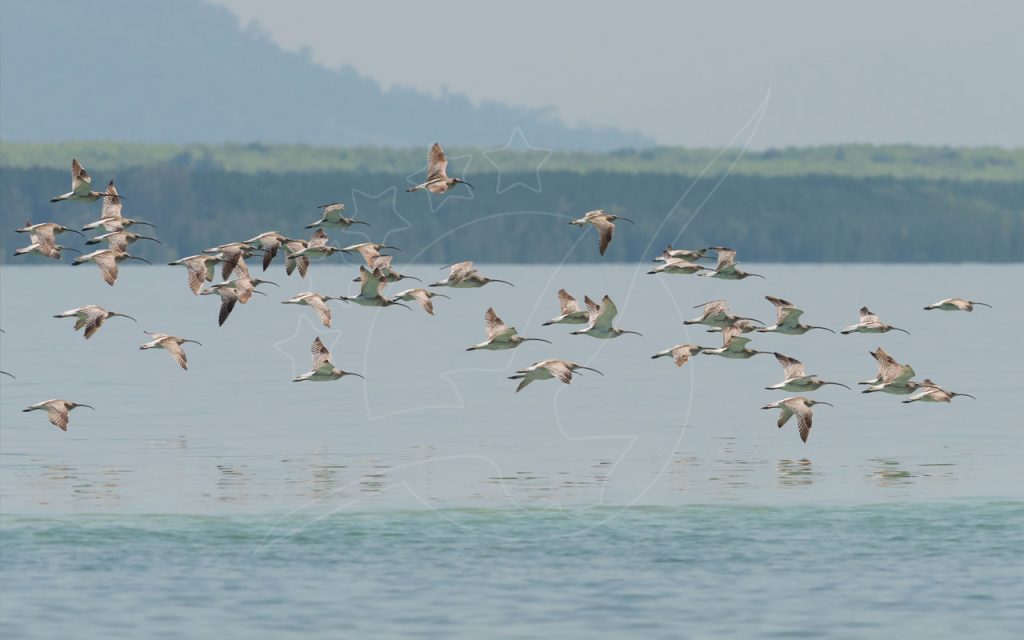
This fascinating island has also become home to many Dugong. These large sea grass eating marine mammals are an endangered species in the world, but Koh Libong has become home to approximately forty of them, and they can often be seen when kayaking near the places where they rest and feed.
Beyond the dugongs, the island's natural environment supports diverse marine and forest ecosystems. Visitors can explore coral reefs, mangrove areas, and jungle trails that showcase the region's unique biodiversity. The dark sands and clear waters make the island a peaceful retreat for nature enthusiasts and photographers.
Getting to Koh Libong
Route Overview and Transport Options
Koh Libong is located in Trang Province in southern Thailand. Most visitors reach the island via boat from the mainland. The journey typically departs from ports in or near Trang town, with ferry services operating to the island's main pier.
To reach Trang Province, you can arrive by air at Trang Airport or travel overland from other southern Thai destinations. Many visitors combine their Koh Libong trip with time in nearby areas such as Krabi or other islands in the Andaman region. From Trang town, local transport can take you to the ferry departure point.
Ferry Services to Koh Libong
Ferry services operate between the mainland and Koh Libong, connecting the island to transport hubs in Trang Province. Journey times and schedules vary by operator and season. The exact departure times and frequency depend on weather conditions and local demand, particularly during the monsoon season.
Booking your ferry in advance is recommended, especially during peak travel seasons. Check current availability and schedules when planning your trip, as services may vary throughout the year.
Travel from Major Thai Cities
If you're travelling from Bangkok or other major cities, plan to combine overland and ferry transport. Many visitors take a bus or minivan to Trang Province first, then continue by ferry to Koh Libong. The combination journey allows you to explore the Trang region and connect with local ferry schedules that suit your plans.
If you're based in Krabi or nearby islands in the Andaman, ferries and local boats can provide alternative routes to reach Koh Libong, depending on seasonal availability and direct connections.
Planning Your Journey
When planning your journey to Koh Libong, allow flexible travel time as ferry schedules and connections depend on seasonal weather patterns. During peak season, services are more frequent and reliable. The island is best reached as part of a broader southern Thailand itinerary rather than as an isolated trip from Bangkok or central Thailand.
Consider booking your transport in stages: first arrange overland travel to Trang Province, then secure your ferry booking to Koh Libong. This approach gives you flexibility and better access to available services across several routes potential route options.
What to Do on Koh Libong
Kayaking is one of the most popular activities on Koh Libong, offering opportunities to spot dugongs, explore mangrove forests, and discover hidden coves. Guided kayak tours are available and are recommended for the best chance of spotting wildlife safely.
Walking trails through the island's mountainous jungle provide access to viewpoints and natural pools. Swimming and snorkelling are possible at various beaches and shallow reefs. The local fishing community also welcomes visitors interested in learning about traditional island life.
Photography enthusiasts will find abundant opportunities to capture the island's natural beauty, from sunrise over the Andaman Sea to close-up encounters with wildlife in their natural habitat.
Practical Information for Your Visit
Best Time to Visit
The best time to visit is during the dry season, typically from November to April. During the monsoon months, weather conditions can make ferry services less frequent and water activities less appealing. Plan your trip during these months if you want the most reliable connections and the best experience exploring the island's natural attractions.
What to Bring and Expect
Pack light, practical clothing suitable for warm weather and water activities. Bring sun protection, insect repellent, and any necessary medications, as the island's infrastructure is limited. Accommodation ranges from basic guesthouses to more comfortable bungalows, so book in advance during peak season.
Cash is essential on Koh Libong, as ATM access is limited. Mobile phone coverage varies, so don't rely entirely on connectivity for emergency communications.
Island Facilities
The island has basic amenities including local restaurants serving fresh seafood and Thai dishes, small shops, and guesthouses. Services are simple but authentic, reflecting the island's undeveloped character. This lack of commercial development is part of what makes Koh Libong special—visitors come for natural beauty and cultural immersion rather than resort facilities.
Book Your Journey to Koh Libong
Ready to experience this enchanting island? Search availability now to check current ferry schedules, prices, and transport options to Koh Libong. Whether you're combining your Koh Libong visit with a broader Thailand adventure or planning an island retreat, booking in advance ensures you secure the best connections and avoid disappointment during peak travel seasons.
Highlights
Koh Libong Landscape

Koh Libong Island Life
Koh Libong Accommodation
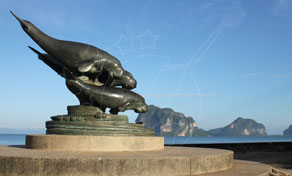
Koh Libong Dugongs


Frequently asked questions
Where is the pier that my ferry departing from?
Phuket Ferry :
We understand that pier details are important to our customers. That’s why we’ve made the information as clear as possible. Your departing pier address is clearly shown on your e-ticket, which we sent to your email. Additionally, go to our Pier Information page for the most comprehensive local pier information you can find anywhere. Finally, if you still need more information, contact our Customer Service Agents; we are happy to help.
Ferry Samui :
FWe understand that pier details are important to our customers. That’s why we’ve made the information as clear as possible. Your departing pier address is clearly shown on your e-ticket, which we sent to your email. Additionally, go to our Pier Information page for the most comprehensive local pier information you can find anywhere. Finally, if you still need more information, contact our Customer Service Agents, we are happy to help.
Bali Ferry :
We understand that pier details are important to our customers. That’s why we’ve made the information as clear as possible. Your departing pier address is clearly shown on your e-ticket, which we sent to your email. Additionally, go to our Departure Point Information page for the most comprehensive information you can find anywhere. Finally, if you still need more information, contact our Customer Service Agents, we are happy to help.
What are the tourist seasons ?
Phuket Ferry :
Phuket really just has two seasons, which are known as "high season" and "low season" (or "green season"). During the low season months (May- September), boat numbers are reduced. During the high season (October - April), boats to the surrounding islands are increased so you will have some more options.
Ferry Samui :
There are three distinct weather seasons on the tropical island of Koh Samui: the dry season (December until February), the hot season (March until August) and the rainy season (September until November).
Bali Ferry :
Bali actually has a variety of tourist periods, notably around the Balinese New Year, 15 December - 15 January, and 1 June - 30 September. During these high traffic periods, boats to the surrounding islands are increased so you will have some more options. The quieter periods are between 16 January - 30 April and 1 October - 14 December historically.
Will bad weather affect my travels?
Ferries are large and can usually operate in the rain, except in extremely bad weather. During storms or strong winds, the journey may take a little longer than usual.
Speedboats are more likely to be canceled than ferries. If a trip is canceled due to bad weather, you can choose to receive a refund or reschedule. Please note that refunds for bad weather are only issued if the ferry operator cancels the trip.
On rough days, we recommend bringing motion sickness medication and taking it about 20 minutes before boarding if you are prone to seasickness. Boat staff may also provide Dramamine upon request, but you will need to remain indoors during rough conditions. On sunny and calm days, the sun deck is open for passengers to enjoy the weather.
What's the boarding process on the day of my trip?
At the pier named on your ticket, look for the staff of the ferry operator listed on your ticket as well. Please present your e-ticket (QR code) from your phone or other device—they’ll provide you with a sticker and/or boarding pass and direct you to your boat. Most piers have staff available to help load your luggage. In Koh Samui, staff are usually stationed at booths near the boarding area; at other locations, they’re typically near the boats, wearing their company uniforms.
When will I receive my ticket confirmation?
After completing your online booking, your reservation will remain in “Pending” status until it is processed. Once confirmed, we will send your e-ticket via email. The process is usually very quick.
On the day of travel, please present your e-ticket to the ferry staff at the relevant booking counter. If you do not receive your confirmation within 24 hours, contact us immediately.
What are the baggage allowances?
Your ferry e-ticket includes ferry transport, baggage fees, and handling. The free baggage allowance per person is 20–25 kg, depending on the operator. If your baggage exceeds this limit, you can pay the extra fee directly to the ferry operator in cash.
To check the baggage allowance for your specific trip, please refer to the trip details for your selected route.